
Live Event Production in Dubai & Abu Dhabi: Checklist, Timeline, and Common Mistakes (2026)


If you’ve ever watched a show fall apart because the run-of-show wasn’t final, the LED content arrived late, or the venue access window was tighter than expected, you already know the truth: “live event production” is less about gear and more about control. In Dubai and Abu Dhabi, where venues can be highly polished but operationally strict, the difference between a smooth show and a stressful one usually comes down to planning, roles, and timing.
Live event production is the end-to-end process of planning and executing the technical side of an event—audio, lighting, staging, video/LED, rigging, rehearsals, and show calling—so everything runs on cues, not chaos.
If your event is music-led and needs tight cueing, changeovers, and calm show control, you may also want to review our music event management in Dubai and Abu Dhabi.
Table of Contents
What Is Live Event Production? (Plain-English Definition)
What’s Included in Live Event Production (The Real Checklist)
The Timeline: How Live Event Production Actually Runs
A Real Example: How a Smooth Show Comes Together in Dubai
Dubai vs Abu Dhabi: Venue Reality and Planning Considerations
What Drives Cost (and What Doesn’t)
Common Mistakes in UAE Live Event Production (and How to Avoid Them)
How to Choose a Live Event Production Partner in the UAE
FAQs
Conclusion
What Is Live Event Production? (Plain-English Definition)
Live event production is the operational system behind a great event. It covers the technical build and the show-day execution that makes every moment feel intentional: clean audio, lighting that supports the mood, visuals that land at the right second, and stage transitions that don’t break the energy.
Here’s the simplest way to think about it:
A strong live event production team designs the technical plan, coordinates the build, runs rehearsals, and calls cues during the show so that audio, lighting, video/LED, and stage movement stay synced.
In practical terms, you’re paying for:
A production plan that matches the venue reality (access, power, rigging points, curfews)
A schedule that respects build and rehearsal time
A run-of-show that’s actually executable
Clear roles on comms during the show
What’s Included in Live Event Production (The Real Checklist)
Different events require different levels of complexity, but most professional live event production in the UAE includes the following building blocks.
Audio (Sound System + Engineers)
Front-of-house sound (what the audience hears)
Monitors (what performers or presenters hear on stage)
Microphones and wireless management (speech + vocals + instruments)
Playback integration (walk-in music, stings, videos, timecode if needed)Why it matters: audio issues are the fastest way to lose trust—especially in corporate events and live performances.
Lighting (Design + Programming)
Lighting design to support the room and the show flow
Programming for cue-based moments (walk-ins, reveals, performances)
Focus and patching (ensuring the right fixtures respond correctly)Why it matters: lighting isn’t decoration; it’s timing. In music-led shows, it’s often the difference between “fine” and “memorable.”
Staging & Scenic (How the Space Works)
Stage build, risers, ramps, stairs (as needed)
Backstage flow considerations (wings, entrances, changeover space)
Set/scenic coordination (branded pieces, signage, practical elements)Why it matters: stage layout controls everything—movement, safety, changeovers, camera angles, and sightlines.
Video / LED & Playback (What the Audience Sees)
LED wall or screens, or projection (depending on the venue)
Playback system planning (who triggers, how files are delivered, backups)
Content checks (format, resolution, refresh rate considerations)Why it matters: visuals tend to be the last thing stakeholders edit, and last-minute changes are where shows get risky.
Rigging / Truss & Safety Coordination (Non-Legal, Practical)
Truss/rigging planning aligned with venue points and approvals
Load plans and safe build sequencing (handled with the appropriate specialists)
On-site checks and disciplined installation workflowWhy it matters: rigging affects the entire build schedule and is not something to “figure out on the day.”
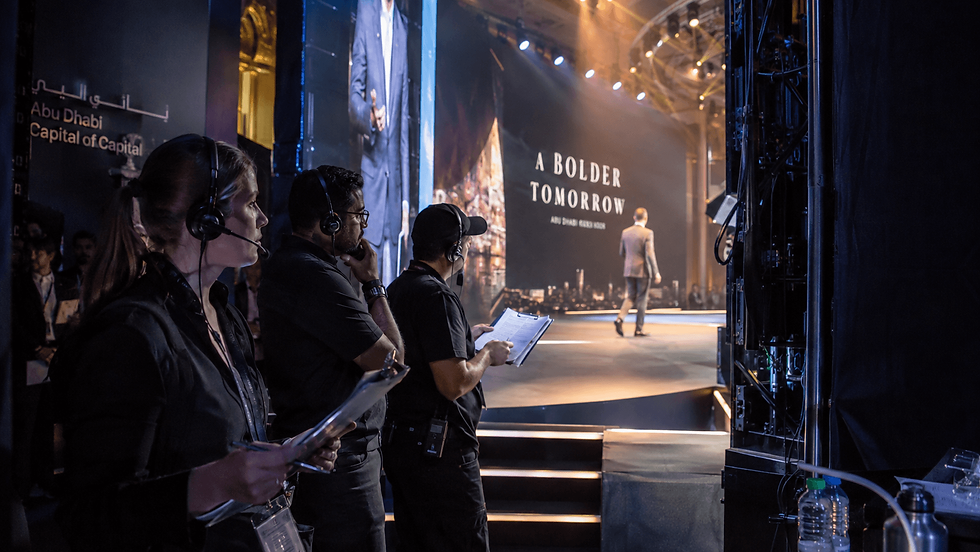
Stage Management + Show Calling (The Control Layer)
Run-of-show creation and cue structure
Stage manager coordination (backstage timing and flow)
Show caller cues (audio/lighting/video transitions on comms)Why it matters: this is where a show becomes predictable. Without it, departments work hard but not together.
The Timeline: How Live Event Production Actually Runs
Even a “simple” event benefits from a real timeline. Below is the practical flow most teams follow, with common risks and how to avoid them.
1) Pre-Production / Technical AdvanceWhat happens:
You confirm the venue realities (access, power, rigging points, loading bay rules)
You align the event format (agenda, performances, key moments)
You draft a working run-of-show and cue listCommon risks (and prevention):
Risk: a run-of-show that looks good on paper but ignores build/rehearsal needsPrevention: plan rehearsal windows first, then build the run-of-show around them.
2) Venue Walk-Through (or Detailed Venue Coordination)What happens:
Practical checks: ceiling height, LED sightlines, stage dimensions, FOH position
Confirm where cables can run and where cases can stageTypical surprises (and how to avoid them):
Surprise: limited access routes or strict move-in timesPrevention: get written venue access windows and loading instructions early.
3) Load-In & BuildWhat happens:
Build sequence matters: rigging/truss → staging → LED/screens → lighting → audio → testing
Departments need a clear order so they don’t block each otherCommon risks (and prevention):
Risk: rushing build steps and skipping testingPrevention: protect a dedicated “system test” window before rehearsals.
4) Soundcheck & RehearsalsWhat happens:
Validate audio gain structure, mic handoffs, playback chain, and monitoring
Run cue-to-cue for key transitions (walk-ins, reveals, first performance changeover)Prevention tips:
Tip: test LED content in the actual playback chain (not just a laptop preview)
Tip: label cues clearly and lock versions before doors open
5) Show Control (Run-of-Show + Comms)What happens:
One caller controls cue timing
Stage management controls movement and readiness backstage
Department leads execute on comms with disciplineTypical surprises (and how to avoid them):
Surprise: last-minute agenda changesPrevention: build “flex points” into the run-of-show and keep a clear chain of command.
6) Strike & WrapWhat happens:
Safe, organized teardown with venue coordination
Post-show notes: what worked, what to improve for next timeCommon risks (and prevention):
Risk: teardown conflicts with venue curfews or other eventsPrevention: confirm strike windows and exit routes before show day.
A Real Example: How a Smooth Show Comes Together in Dubai
Imagine a music-led brand event in a Dubai hotel ballroom. The venue has a tight load-in window, shared service corridors, and a hard curfew. Stakeholders are still tweaking LED content the day before, and the show includes a performance segment with fast changeovers.
A calm production plan starts with a venue walkthrough to confirm loading routes, power distribution, FOH position, and LED sightlines. The build schedule is then sequenced so departments don’t collide: rigging and staging first, then LED placement and signal checks, then lighting focus, then audio tuning and mic coordination.
On rehearsal day, the team tests the final video files in the real playback system and runs cue-to-cue for the moments that matter—walk-in, reveal, performance entry, and the first transition. On show day, one caller owns cue timing, stage management owns backstage readiness, and each department lead stays on disciplined comms. The result isn’t “more equipment.” It’s fewer surprises, smoother transitions, and a show that feels effortless to the audience.
Dubai vs Abu Dhabi: Venue Reality and Planning Considerations
Dubai and Abu Dhabi both have world-class venues, but the operational realities can differ by venue type (hotel ballroom, outdoor venue, exhibition space, studio venue). The winning approach is to plan for the venue as it is—not as you wish it were.
Snippet-style answer you can rely on:In Dubai and Abu Dhabi, live event production succeeds when the technical plan matches venue reality: access windows, loading bay logistics, ceiling height, rigging points, power availability, curfews, and rehearsal time. When those constraints are confirmed early, the run-of-show becomes stable, builds run faster, and show-day changes become manageable instead of disruptive.
Practical considerations to confirm early:
Access windows and case staging space
Curfews and rehearsal cut-off times
Power distribution and backup planning
Rigging points and venue approval workflows
FOH placement (where the mix position and show control can sit)
Outdoor factors (wind, heat, noise limits, cabling protection)
What Drives Cost (and What Doesn’t)
Costs in live event production are usually driven by complexity and time—not just the size of the room.
Key cost drivers:
Crew size and call duration (longer days require more staffing and management)
Complexity of the run-of-show (more cues, tighter timing, higher precision)
LED wall size and content demands (especially if content is changing)
Rigging/truss requirements and venue constraints
Rehearsal time (often the best money you can spend)
What often matters less than people think:
“Upgrading” equipment without improving planning or show control
Adding visuals without locking content workflows
Skipping rehearsals to “save budget” (it often costs more in show-day fixes)
Smart budgeting idea:Spend on rehearsal time, show calling/stage management, and a clean playback workflow before spending on extra add-ons. Those investments reduce risk and protect the audience experience.
Common Mistakes in UAE Live Event Production (and How to Avoid Them)
Finalizing the run-of-show too lateFix: lock a working version early, then manage changes through one responsible owner.
Underestimating venue restrictionsFix: confirm loading routes, access windows, and curfews in writing.
Treating LED content as “plug and play”Fix: validate file formats early and test content in the real playback chain.
No dedicated rehearsal windowFix: schedule a minimum cue-to-cue for key moments, even on tight timelines.
Unclear comms roles on show dayFix: define a caller, stage manager, and department leads—then keep comms disciplined.
Allowing “everyone” to approve changesFix: set a single decision pathway to avoid conflicting instructions during show time.
Ignoring backstage flowFix: plan entrances, exits, changeover space, and performer readiness like a system.
Building without a clean sequenceFix: follow a build order that prevents departments blocking each other.
Overfocusing on equipment and underfocusing on executionFix: prioritize show control, run-of-show discipline, and testing.
Not planning for schedule changesFix: build “flex points” into the run-of-show and pre-brief the team on change handling.
How to Choose a Live Event Production Partner in the UAE
The best partner isn’t the one with the longest equipment list. It’s the team that can plan a show you can actually run.
Questions to ask:
Who owns the run-of-show and cue structure?
Who calls cues during the show, and how is comms managed?
What is your build sequence and testing process?
How do you handle last-minute content changes?
What rehearsal approach do you recommend for this event format?
Proof to request:
A short portfolio with “what we delivered” clarity (not just photos)
Examples of how they structure show flow and backstage timing
Clear roles: show caller, stage manager, technical leads
Red flags:
Vague answers about show calling or comms
No plan for rehearsals/testing
Overconfidence without process detail
A quote that ignores venue constraints or timeline realities
For music-led shows, ask specifically how they handle run-of-show discipline and stage management. That’s often the difference between smooth transitions and last-minute chaos.
FAQs
What is included in live event production in Dubai?
Typically: audio engineering, lighting design and programming, staging coordination, LED/projection playback planning, rigging/truss coordination (as needed), rehearsals/soundchecks, and show calling/stage management for cue-based execution.
How far in advance should I book for Abu Dhabi?
For higher-complexity events, earlier is better—especially if rehearsals, rigging, or LED content are involved. If you’re working with a strict venue schedule, booking early protects your build and rehearsal windows.
Do I really need a run-of-show?
Yes. A run-of-show is the operational script that keeps departments synced. It reduces surprises, clarifies responsibility, and makes last-minute changes manageable.
What affects the cost the most?
Time and complexity: crew hours, rehearsal needs, number of cues, LED content demands, and venue constraints. Stable planning usually costs less than last-minute changes.
How do rehearsals and soundchecks work?
Soundcheck confirms microphones, playback, and monitoring. Rehearsal (even a short cue-to-cue) validates timing and transitions—especially for reveals and performance changeovers.
What happens if the schedule changes last minute?
A good team updates the run-of-show, communicates changes through a single caller, and uses pre-planned flex points. The goal is to protect the audience experience without causing backstage confusion.
Can you support hybrid events or livestream if needed?
Some productions include livestream or hybrid support as an add-on. If it’s required, plan it early so connectivity, audio routing, camera positions, and show timing are integrated.
How do you handle LED content and playback?
The safest approach is to set deadlines for final content, test files in the actual playback chain, and maintain clean version control so the show runs on the correct assets.
What should I prepare before speaking to a production team?
Have the event date, venue, audience size, agenda, performance needs, and any existing venue AV notes. Even basic clarity here helps the team propose a realistic plan.
Is “technical production” the same as “live event production”?
They overlap. Technical production is often the design and build layer; live event production typically includes the show-day control layer (rehearsals, cues, run-of-show, stage management).
Conclusion
Live event production in Dubai and Abu Dhabi is successful when the technical plan matches venue reality, the timeline protects testing and rehearsal time, and show-day roles are clear. If you build the run-of-show around what’s truly possible—and manage visuals, audio, and stage flow as one coordinated system—you’ll get fewer surprises and a noticeably better audience experience.
If your event is music-led and you want a team that manages show flow, stage management, and technical coordination with calm execution, The BarCoe Studio shares its approach to music event management for concerts and corporate shows here.


Comments